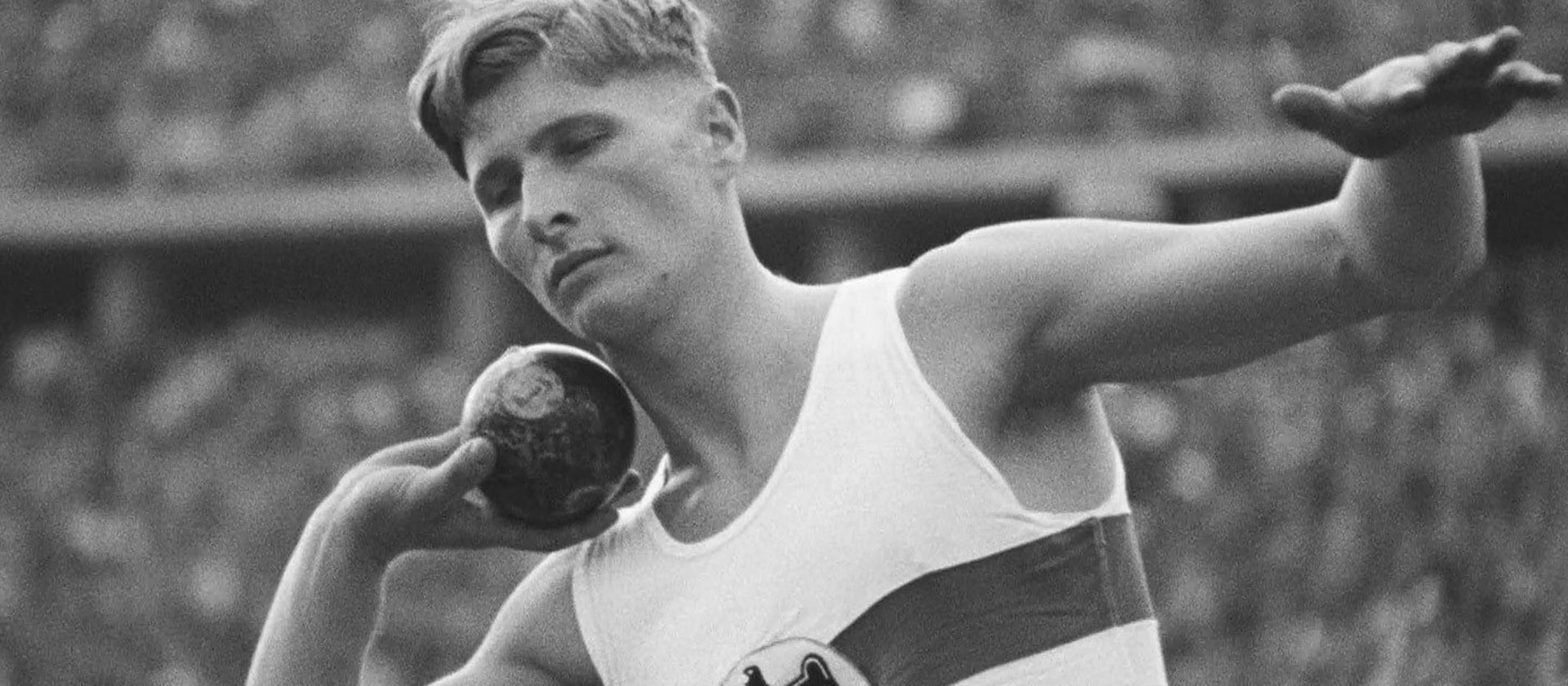
Leni Riefenstahl’s two-part documentary about the 1936 Summer Olympics in Berlin offers a fascinating clash of visual perfection and harsh political context. It definitely shaped the modern form of sports reporting, but at the same time became a prime example of fascist aesthetics centered on the cult of body and strength. What can be admired about this film today, and how can we discern the mechanisms of power? A key resource for re-examining Leni’s film is the new documentary, Riefenstahl, directed by Andres Veiel. Thanks to unique access to Riefenstahl’s private estate, Veiel debunks the myth of Leni as an apolitical artist. This festival section offers a critical perspective on the work of the most controversial filmmaker in history and explores the boundaries between sports enthusiasm and propaganda.